Under the Enhanced Basic Education Act of 2013 (RA 10533), lessons from kindergarten to Grade 3 were to be taught in the regional or native language. A law that took effect on October 10, 2024 changed that.
What the law says
Republic Act No. 12027 ends the use of the mother tongue as the medium of instruction from kindergarten to Grade 3. The medium of instruction goes back to Filipino and, until otherwise provided by law, English. Regional languages serve as auxiliary media of instruction. The act lapsed into law without the President’s signature, and it amends Sections 4 and 5 of the Enhanced Basic Education Act of 2013 (RA 10533).
Where the mother tongue can still be used
The mother-tongue approach (MTB-MLE) is now optional, and only for monolingual classes, where all learners share the same mother tongue and grade level. The law lists what is needed first, including an official orthography from the KWF, vocabulary references, literature, a grammar book and trained teachers. DepEd must prepare a language mapping policy within one year, and review the optional approach every three years.
Hiligaynon in school
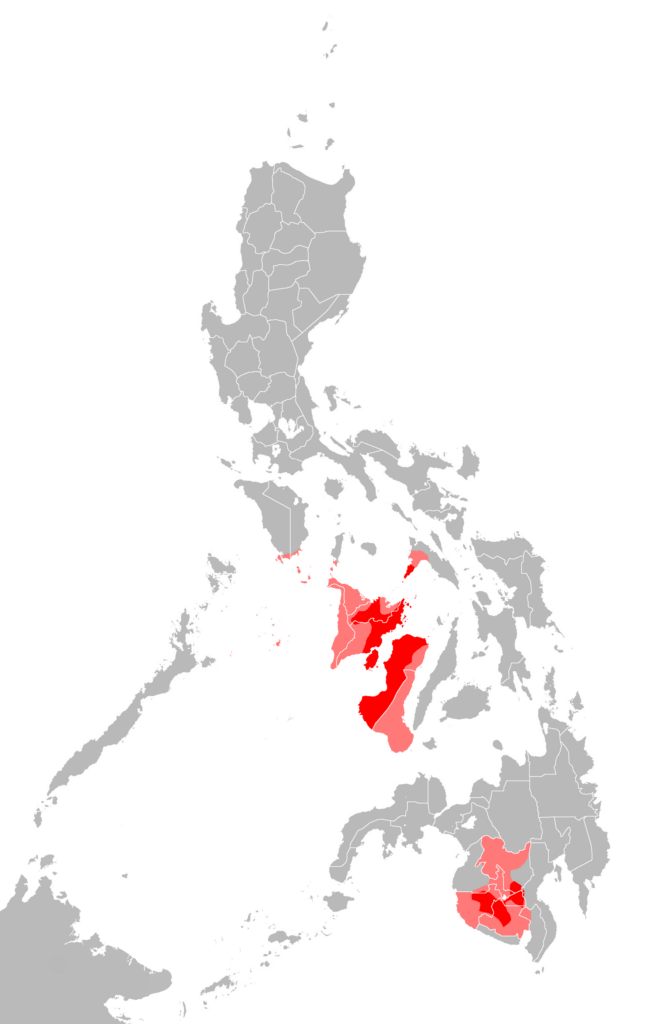
Wikipedia’s article on Hiligaynon gives about 8.6 million native speakers (2020) and notes that the language was not taught or studied formally in schools and universities until 2012.
For parents
The details depend on DepEd’s implementing rules and on each school. If you want your child to keep learning in Hiligaynon, ask the school whether its classes qualify as monolingual, and check DepEd for the current rules.
Sources: Republic Act No. 12027; DepEd; Philippine News Agency; Philippine Daily Inquirer; Hiligaynon language.
How did this story make you feel?
One tap. It is anonymous, and you can change your answer any time.
This home is built by its readers.
If this story reminded you of someone, there are three easy ways to help the next one reach them.
Comments
We read every comment before it shows. Please keep it kind.